Originally by Mr Lin Yishan, rewritten by Fort Sanctuary
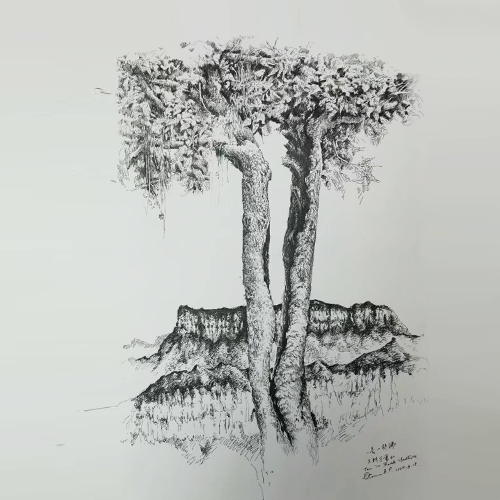
Across the vast, quiet arc of time, the Earth flourished long before we arrived to walk upon it. First came the ancient soil, followed by sprawling canopies of primeval forests. Within the forests grew the wild tea tree, patiently holding the quiet magic of nature within its glossy green leaves.
When humanity finally stepped into this world, survival was simple and stark: hunting, gathering, and learning the nature of the wild. It was during these primordial days that Shennong, a legendary and altruistic figure, wandered through unmapped lands, tasting plants to discover what could sustain his people.
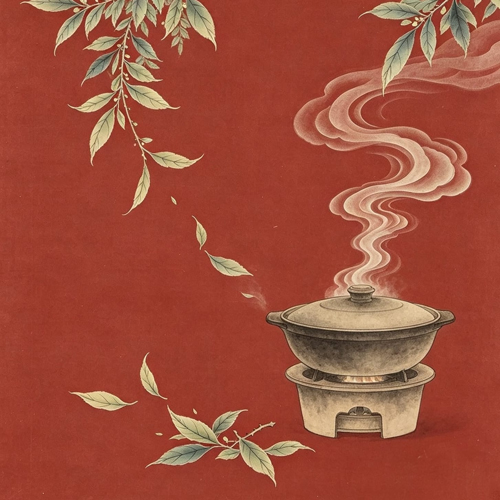
According to legend, after being poisoned by a toxic herb, a single leaf drifted into his path. He tasted it, and the venom was dispelled. He named the tree Tu (荼), an ancient form from which the character for tea would eventually evolve.
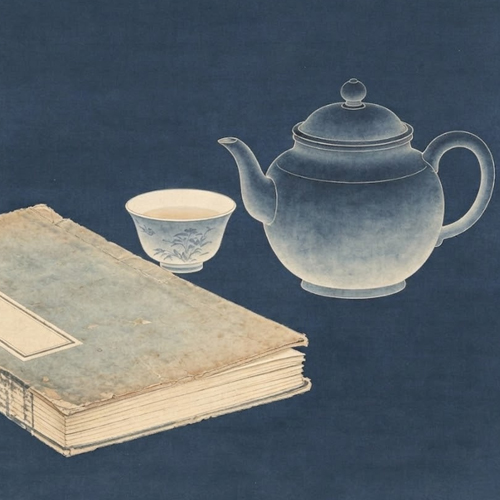
Centuries passed, carrying the world into the glorious golden age of the Tang Dynasty. There, a visionary scholar named Lu Yu devoted himself to understanding this remarkable leaf. In his masterpiece, The Classic of Tea, he recorded the cultivation, preparation, and spirit of tea, transforming what had once been a wild gathering into a refined art and elevating tea into a profound expression of culture and contemplation.
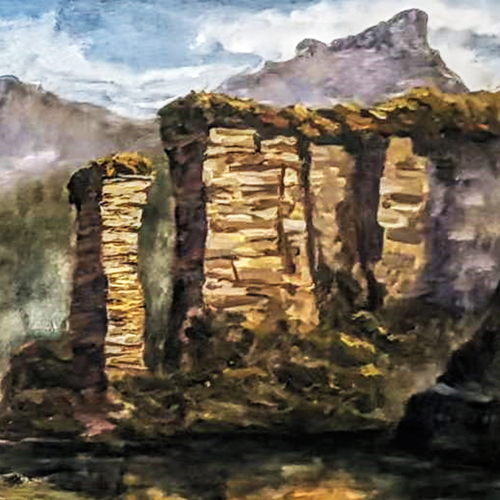
Today, tea is more than a tradition. It is a living bridge between past and present, nature and humanity, elegance and inner calm. Imagine a parallel sanctuary, a serene realm just beyond the reach of time, yet intimately close to our thoughts.
This journey is an invitation to the international community to discover the art of tea: the gentle ritual of tasting, the poetry of its origins, and the quiet elegance of mindfulness.
For those seeking balance and clarity, tea is not merely a drink. It is a doorway to cultivated awareness, focused presence, and a more refined and harmonious way of living.